Plots in Cuenca - buy, sell or rent easily

Find plots by category in Cuenca (Province)


Plots for sale with most wanted features
- Urban 28
- Developable 3
- Non developable 31


Latest publications of land and houses for sale in Cuenca (Province)
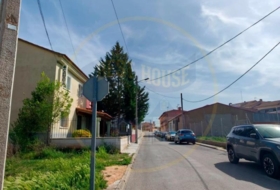
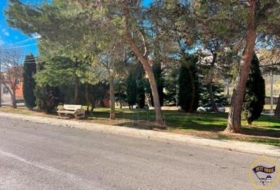
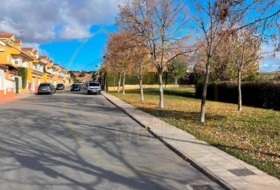
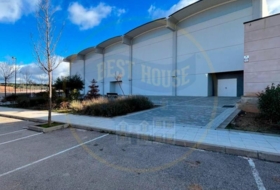

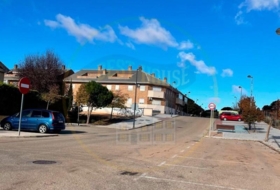
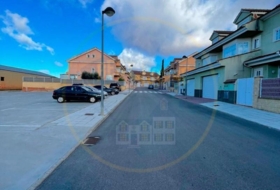
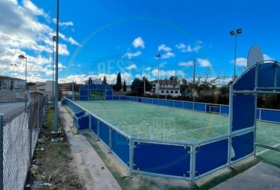
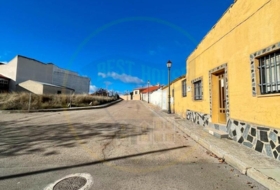
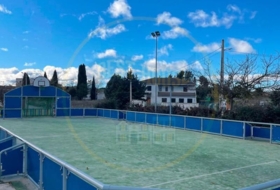
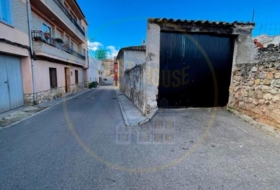
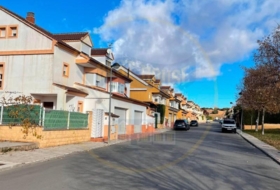

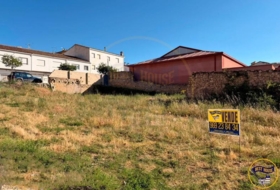
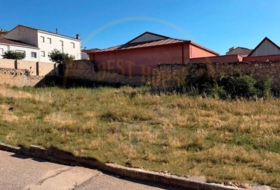
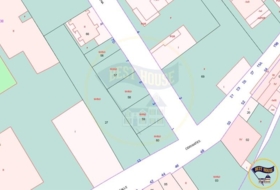
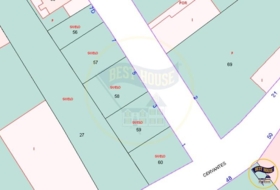


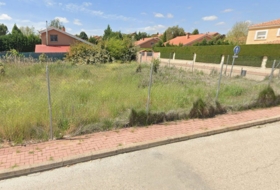


 +1
+1


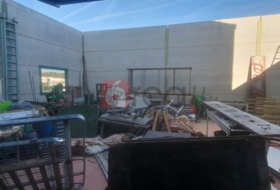
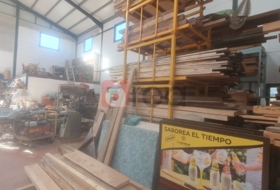
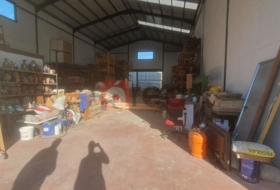
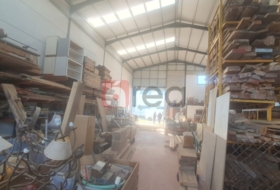


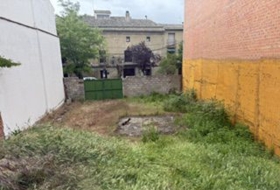
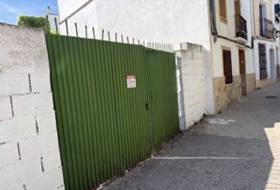
Where to buy land in Cuenca
The cheapest land in the province of Cuenca is distributed in many municipalities, due to a large amount of undeveloped land for sale in the territory. In this way, they are grouped into: Casas de Benítez, with a minimum value of €0.20/m², Bonilla with €0.30/m², Graja de Campalbo and Minglanilla with €0.40/m², Cuenca with 0.50 €/m², Saelices and Mota del Cuervo with €0.60/m² and Tarancón with €1/m².
The average price of urban plots is one of the lowest if we compare it with the rest of the provinces of La Mancha (approximately €70/m²). The towns with the cheapest urban land for sale in Cuenca are the capital itself, Montalbo and Tarancón. In contrast, the most expensive urban plots are in Cuenca, Las Pedroñeras, Motilla del Palancar and Tarancón. In these territories, there is also a large presence of developable land for sale, with values like those of urban areas.
The forest wealth is reflected in the industry
In Cuenca, we can find two microclimates, the Mediterranean and the continental, with frequent rainfall of over 500 mm.
Its regions are in the mountains in the northeast (Serranía Alta and Serranía Media-Campichuelo and Serranía Baja), more mountainous, while those of the Meseta (La Mancha de Cuenca and La Manchuela Cuenca) and La Alcarria to the south are located on the plain. The climate has a decisive influence on the type of crops that are grown in each of the areas.
It is the most mountainous province of the Manchega Community and has one of the largest forest areas in the country (close to 40% of the territory). Among its species are the pine forests, from which resins and wood are extracted; as well as aromatic plants, which are used as condiments or for medicinal purposes. Likewise, it has a great mycological richness, among which the chanterelles, truffles and the Manchuela mushroom stand out. In addition, hunting activities are carried out in its forests, which are later reflected in their dishes.
Birthplace of rivers and springs, we find in it a great diversity of lagoons, among which Uña, Hito and Manjavacas stand out. As well as the reservoirs of Buendía, La Toba, Alarcón and Contreras. Its mineral water springs have given rise to an important bottling industry (Aguas de Beteta and Huerta del Marquesado) and the creation of spas.
Recently, it is the services sector that is becoming more important, especially for tourism and hospitality. This region hides impressive places, diverse nature, and traditional gastronomy of kilometre zero.
An agricultural sector of tradition and quality
About half of the territory's surface is dedicated to crops. The economy of Cuenca has traditionally been based on the agricultural and forestry sector, which has led to a remarkable agri-food industry.
Some of the crops grown are cereals, barley, sunflowers, vines (wines from the La Mancha, La Manchuela and Ribera del Júcar Designations of Origin, wines from Tierra de Castilla and Uclés), olive trees (PGI Oil from La Alcarria), saffron (PDO Saffron from La Mancha), garlic (PGI purple garlic from Las Pedroñeras), almond trees, legumes (chickpeas and lentils), mushrooms (Villanueva de la Jara, Altarejos, Las Pedroñeras, Los Hinojosos, Mota del Cuervo and Puebla de Almenara) and vegetables (corn, onion, tomatoes, peppers, as well as green beans and peas for the industry).
Its agricultural tradition has led to an interesting gastronomic culture, with products of great quality and prestige. Some of the delicacies that we can taste in this land are meat derivatives (morteruelo or pastor gazpacho), sweets such as alajú or spirits (resoli and Ribatajada brandy).
In livestock, sheep (with the production of milk, meats-I.G.P. Cordero Manchego- and cheeses-D.O. Queso Manchego-), pigs (in the Serranía Baja) and beekeeping (D.O. Miel de la Alcarria) stand out.
An accessible land
The province of Cuenca, with the smallest population in Castilla La Mancha, has an area of 17,141 km² in which only about 196,000 inhabitants live, 28% of them in the capital. It is an agricultural region and a place of passage since it connects the south and west of the country with the Mediterranean.
Intending to attract the population to rural areas, some of the municipalities offer building plots at very affordable prices (reduced up to 60%) so that the towns do not run out of inhabitants. Castilla-La Mancha is one of the autonomous communities with the lowest prices in terms of agricultural land; observing differences since dry land is almost a third cheaper than irrigated land. In any case, its value has increased in recent years. One of the olive groves stands out, which is on the rise, while one of the vineyards it's down. The province of Cuenca has almost two million square meters of available and urbanized industrial land. Many logistics and transport companies are looking for very large parcels to locate their warehouses and they are in high demand.
In summary, the province of Cuenca offers good opportunities when it comes to investing in land, especially because it is economically accessible. Likewise, this type of investment can contribute a lot to the place, especially if projects are carried out that stimulate the economy and attract inhabitants.